Decoding the Impact of NPM1 Mutations on the AML Response to EAPB04303
A Comparative Transcriptomic Study.
Abstract
Motivation: While the novel drug EAPB04303 shows significant potential in treating Acute Myeloid Leukemia (AML), its efficacy is often modulated by the genetic landscape of the patient, specifically the presence of the NPM1 mutation. Understanding whether the drug’s transcriptomic impact is a direct result of this mutation or a consequence of baseline cellular differences is essentia. This project seeks to isolate mutation-specific gene networks to clarify the therapeutic mechanisms of EAPB04303.
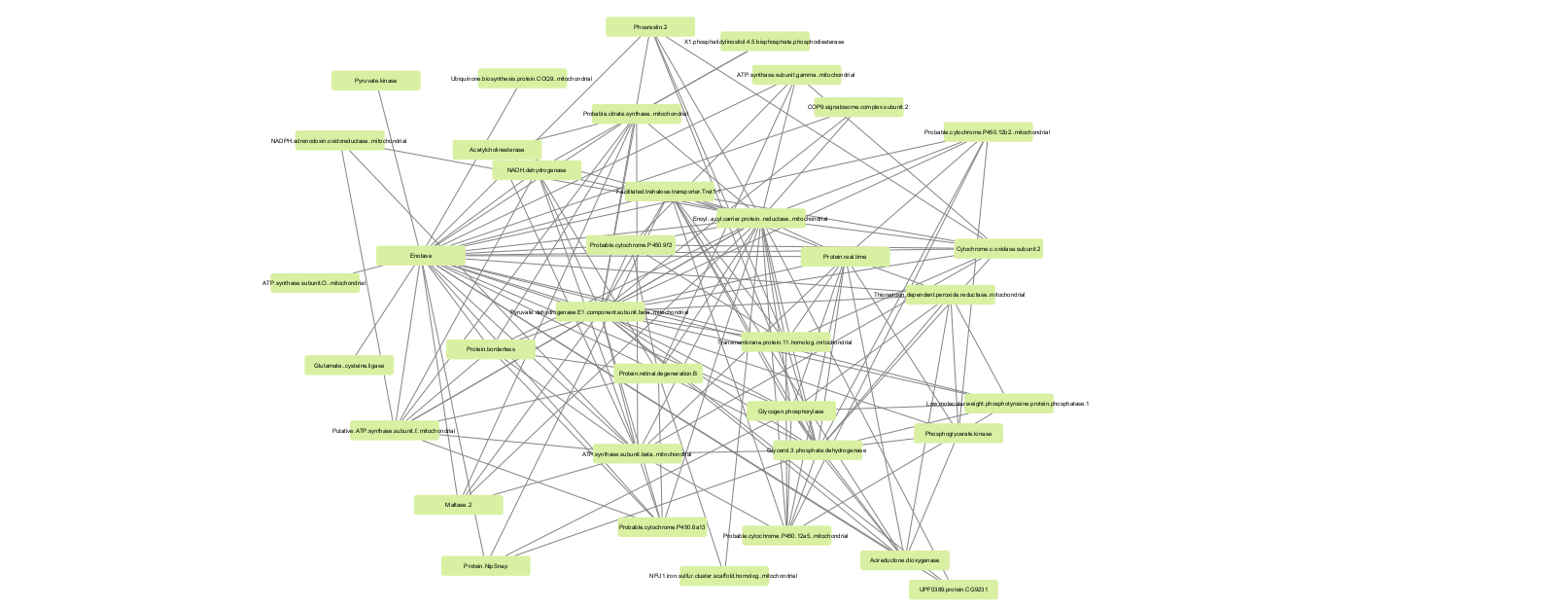
Methodology: We are conducting a transcriptomic analysis using an extensive RNA-seq dataset (comprising four biological replicates per condition) from OCI-AML2 (NPM1 wild-type) and OCI-AML3 (NPM1-mutated) cell lines. Our pipeline utilizes Weighted Gene Co-expression Network Analysis (WGCNA) to process the large-scale data volume and identify co-expressed gene modules. By comparing control and drug-treated samples across both genotypes, we can quantify the interaction between the mutation status and the pharmacological response. A key focus of this ongoing work is the characterization of immune-related signaling pathways that show cell-line exclusivity. We are leveraging the interpretability of WGCNA modules to determine if these signatures are truly mutation-driven. Future steps involve deep GO and KEGG enrichment analysis to map these modules to functional pathways, providing a systems-level view of how EAPB04303 reconfigures the leukemic transcriptome in the presence of the NPM1 mutation.